“The Summer of Copyright.” We’ve been using that phrase recently, borrowed from broadcast attorney David Oxenford and his series of guest articles about this tumultuous year in copyright. Will the system of music royalties be rebooted when the Copyright Royalty Board establishes new rates? Will the decades-old “Consent Decrees” which govern how publishers and songwriters receive royalties be upheld or stricken down? Will pre-1972 music receive the copyright protection it has never had? What about terrestrial radio paying performance royalties for the first time in history — will it happen, and should it? Continue Reading →
For sponsorship info, contact Brianna Pulliam Brianna@rainnews.com Clear Channel's Darren Davis, Many Digital Music Execs to Speak at RAIN Summit Indy in Indianapolis September 9th SPEAKERS | AGENDA AGENDA 11:00 - 11:45 Panel Ad Models With Impact Ad supported online…
Continue Reading →
Broadcast law attorney David Oxenford continues his “Summer of Copyright” series with Part 2, covering the second Judiciary Committee hearing of music licensing issues. This extraordinary summary, and identification of key issues, is a must-read. “These are significant issues that affect all of the music industry. And they are issues that are not easily resolved, as many stakeholders have differing and sometimes inconsistent and contradictory positions on these issues.” Continue Reading →
by Brad Hill
The Judiciary Committee of the U.S. House of Representatives held its second hearing on music licensing regulations, hosting a panel of music-industry executives who delivered prepared statements and answered questions. As with the first hearing on June 10, four contentious issues framed today’s proceeding:
- Broadcast radio’s exemption from performance royalties
- Pre-1972 recordings unprotected by copyright, and receiving no royalties
- Uneven payments across different types of musicians
- Consent Decrees which govern how ASCAP and BMI collect and distribute songwriter royalties
All four pillars of copyright discontent got some play today. Broadcast radio took a severe beating, but unlike the first hearing, the radio industry was represented. Continue Reading →
by David Oxenford
Broadcast law attorney David Oxenford contributes an information-packed overview of potential music copyright reform, and all its moving parts. Continue Reading →
SPECIAL COVERAGE
On Tuesday the U.S House Judiciary Committee held the first of two hearings in its review of music licensing. These hearings potentially affect all stakeholders: radio stations, online music services, webcasters, performers, and creators.
Sharply-worded arguments politely flew around the House chamber. One congressman issued a powerful and comprehensive call for change. It was momentum vs. inertia, reform vs. status quo. Four main issues were in play:
- Songwriters getting lower royalty rates than performing artists
- Broadcast radio not paying artist royalties
- Compulsory licensing that regulate music publishers
- Pre-1972 songs that earn no royalties whatsoever
The Copyright Royalty Board (CRB), a three-judge government panel charged with setting U.S. rules for music licensing and royalty rates, has posted a proposal for a change in webcast record-keeping and reporting to SoundExchange. Broadcast law attorney David Oxenford explains why every webcaster should be aware of the proposal, and participate in the call for comment. Continue Reading →
HEADLINE: Pandora met Wall street expectations in Q1, and grew key usage and revenue metrics.
HEADLINE: Pandora stock (P) is savagely down 15% as of this writing.
Why? The answer might lie in the company’s future guidance Continue Reading →
Pandora has hired David Grimaldi, a veteran of congress, as the Internet radio company faces music-licensing regulations on multiple fronts. Grimaldi joins Pandora at a time when the market-leading Internet radio service faces many negotiations and legal arguments related to the cost of music it streams, and the U.S. government’s regulation of that cost. Continue Reading →
The world’s biggest record label groups have filed a lawsuit against Pandora in an attempt to recoup royalties for music recorded before 1972, which is not protected by U.S. copyright law. The legal question hinges on a loophole in the U.S. Copyright Act. the suit is filed in New York State. Continue Reading →
Should broadcast radio be required to pay royalties to labels and recording artists for use of their records? There are arguments on both sides, and the stalemate reinforces inertia. But the debate is heating up, gaining publicity, and creating awareness of an issue that many people don’t know about. Continue Reading →
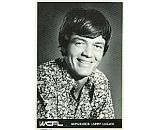
In a world spanning almost precisely the glory days of AM Top 40 radio, where DJs were fast-paced, frenetic, and fun, Mr. Lujack (as he told us repeatedly that he preferred to be called) stood out as the antithesis of almost everyone else on the air. Listen to an air check in the article. Continue Reading →